Depression Therapy in North Riverside, Illinois
Serving Broadview, Westchester, Brookfield, La Grange Park, Berwyn, Forest Park, Chicago, and throughout Illinois via telehealth.
When You Don't Feel Like Yourself Anymore

Depression doesn't always look like sadness. Sometimes it's a slow flattening, where the things that used to matter stop landing and you catch yourself going through the motions, miles away from your own life. Getting out of bed can feel like a negotiation. You might be snapping at the people closest to you, sleeping through your only day off, or carrying a heaviness in your body that no amount of rest seems to touch. Maybe this is new, or maybe you've felt it before and recognize it settling back in.
There's also the part that's harder to say out loud: the voice telling you that you should be able to handle this on your own, that you don't have a good enough reason to feel this low. That voice is a symptom, not the truth. At Shift Counseling, PC, all of our therapists are experienced in treating depression, and we'll help you find your way back to feeling like yourself. We see clients in person at our North Riverside office and virtually throughout Illinois.
How Do I Know If I Need Counseling for Depression?
Depression shows up differently for everyone, and it rarely touches just one part of your life. If several of these have been true for two weeks or longer, it's worth talking to someone.
-
In your mind and mood
Depression tends to get loud in your own head first, turning your thoughts against you.
Feelings of hopelessness or being down on yourself
Losing interest in things you used to enjoy
Constant negative thinking about yourself and others
Rumination, going over the same painful thoughts again and again
Irritability or feeling easily overwhelmed
Crying spells
Thoughts of suicide or not wanting to be here
-
In your body and energy
It shows up physically too, in ways people often chalk up to being run-down or just getting older.
Trouble falling asleep, staying asleep, or getting out of bed
Waking early and being unable to fall back asleep
Feeling drained and fatigued during the day
Appetite changes, eating much more or much less, sometimes with weight change
Difficulty concentrating
-
In your daily life
Eventually it reaches the things you do and the people you're closest to.
Pulling away from family and friends
Sabotaging relationships
Skipping showers or letting your home go
Feeling too tired to keep up with basic self-care
Procrastinating on things that used to feel manageable
Using alcohol or other substances more than usual

How Therapy Actually Helps With Depression
Talking to someone who is genuinely interested in understanding you can do more than you'd expect. After a good first session, people often say they feel "lighter." Getting things off your chest feels good, but that's only the beginning of what changes.
Once you've had the chance to say it all out loud and feel understood, your therapist helps you sort out which parts of the problem you actually have control over, and you start building a plan. That might mean learning coping skills, reframing the negative thoughts that run on a loop, setting limits, or learning to be kinder to yourself. As you put those things into practice in your everyday life, the changes start to show, and the hopelessness starts to lift. Keep at it, and you get better and better at making the shifts that genuinely move your life forward.
What to Expect in Depression Therapy
Cognitive Behavioral Therapy (CBT)
CBT is the backbone of most depression work at Shift Counseling, and it's the most studied talk therapy for depression, with strong evidence that it works and that its benefits last.1 It helps you catch the thought patterns and habits that keep depression running, then replace them with responses that actually help, skills you can keep using long after therapy ends.
Learn morePolyvagal-Informed Therapy
Depression often lives in the body as much as the mind: the fatigue, the heaviness, the sense of being shut down. Polyvagal-informed work uses breathing, grounding, and gentle movement to help your nervous system feel safe and settled again, so the physical weight of depression starts to ease.
Learn moreEMDR Therapy
When depression is tied to past trauma or hard experiences that never fully resolved, EMDR helps your brain reprocess those memories so they stop weighing on the present. It's a strong option when talk therapy alone hasn't brought the relief you were hoping for.
Learn moreAcceptance and Commitment Therapy (ACT)
When depression leaves you feeling confused, overwhelmed, or like you've lost your sense of direction, ACT helps you get grounded again. Rather than fighting every difficult thought or feeling, you start to clarify what actually matters to you and use that as a guide for moving forward. Getting clear on your values can restore motivation when depression has made everything feel flat. Nicole Powell, LPC uses ACT in her work with clients.
Learn moreYour first session is about getting to know you. We'll listen, ask questions, and give you room to share what's been going on at your own pace. There's no script and no pressure to have it figured out beforehand. As we get a clearer picture, we build a plan around what you actually need, and we adjust it as you go.
There's no single method that works for everyone, so we start with what fits your situation. For most people living with depression, the work begins with CBT. Depending on what's keeping you stuck, your therapist may also draw on the approaches below.
Meet the Therapists Who Treat Depression
All of our therapists are experienced in depression treatment, and they won't rush you to open up faster than you're ready. They'll ask good questions, listen without judgment, and help you find a direction that fits your life.
Vivian and Noel are bilingual counselors who provide therapy in both English and Spanish.
-
![Nicole Powell, LPC is a counselor at Shift Counseling, PC]()
Nicole Powell, LPC
Nicole works with adults navigating depression, anxiety, body image, and the stress that builds up around work, relationships, and family. Using CBT and ACT, she helps clients who feel confused or overwhelmed get clear on what matters to them. She sees clients in person at our North Riverside office and virtually throughout Illinois.
-
![Vivian Estrada, LCPC at Shift Counseling, PC]()
Vivian Estrada, LCPC
Vivian works with adults and teens who are living with depression, anxiety, trauma, and the strain of major life transitions. Her approach is collaborative and client-centered, drawing on CBT, solution-focused therapy, and mindfulness to get at the root of what's driving the low mood. She sees clients in person at our North Riverside office and virtually throughout Illinois.
-
![Noel Cordova, LCPC, CADC at Shift Counseling, PC]()
Noel Cordova, LCPC, CADC
Noel works with adults and teens facing depression, anxiety, trauma, and recovery. He brings a direct but easygoing style and uses CBT, EMDR, and mindfulness. As an EMDR-trained therapist, he's a strong fit when depression is connected to past trauma. He sees clients in person at our North Riverside office and virtually throughout Illinois.
-
![experienced lcsw]()
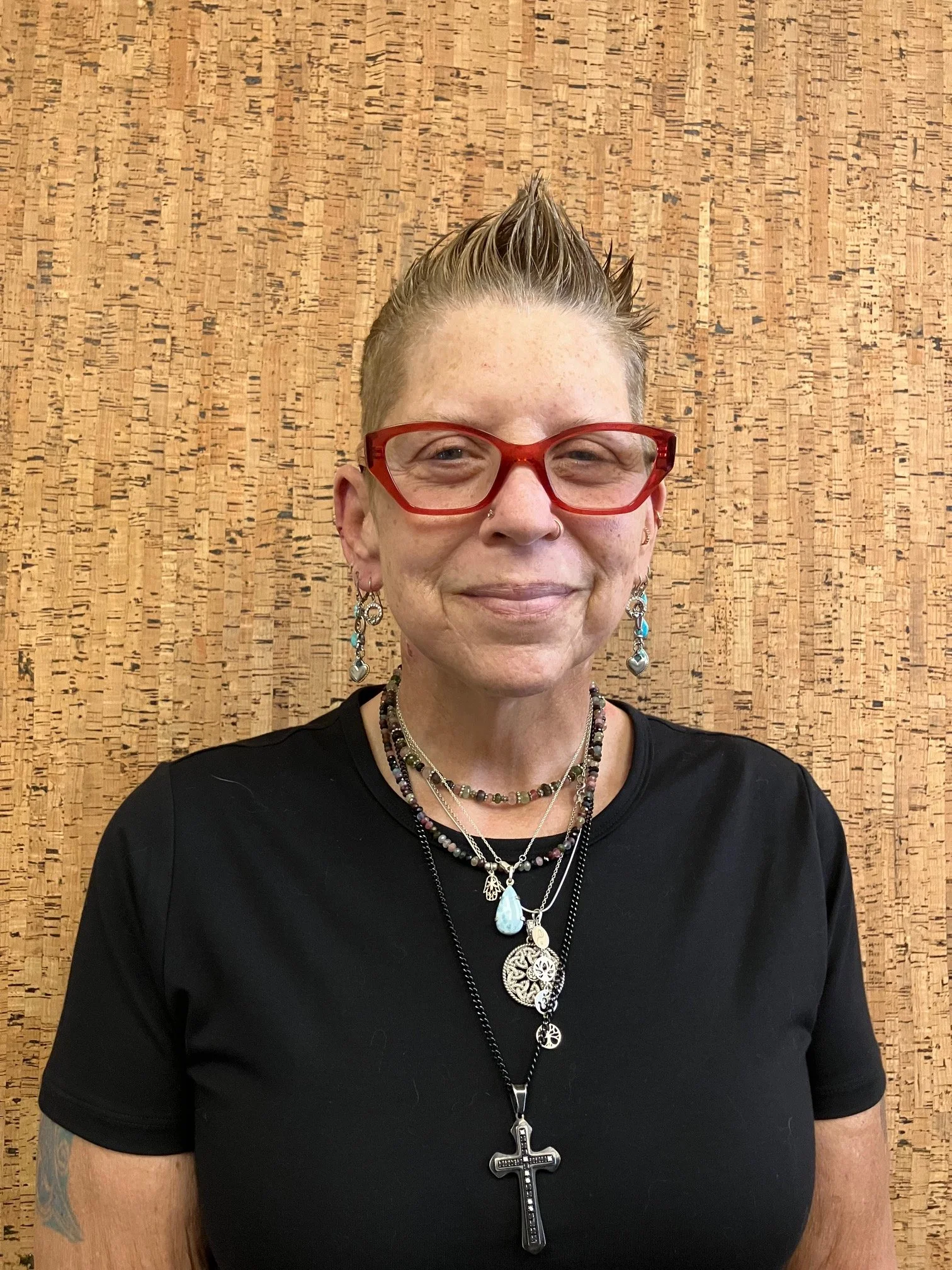
Amy Stuart, LCSW
Amy can help if you have been feeling dragged down with depression. She uses CBT, DBT skills, and mindfulness to help you find your joy in life again. She sees clients in person at our North Riverside office and virtually throughout Illinois.



Is Depression Therapy Right for You?
Therapy isn't only for the lowest point. It can help whether you're in a deep episode or just running on empty and tired of feeling this way.
This might be the right fit if:
You've lost interest in things that used to matter to you
Your sleep, appetite, or energy have shifted and stayed that way
You're more irritable, withdrawn, or down on yourself than usual
You've felt this way before and recognize the pattern starting again
You've been getting through the day but it's costing you more than it should
You've thought about trying therapy but haven't taken the step yet
You don't have to prove to us that you "deserve" help. If you're not feeling like yourself, that's reason enough. And getting support for yourself often makes a real difference for the people around you, too.
If that sounds familiar, start with a free 15-minute consultation. You can ask whatever you want, tell us what's been going on, and decide for yourself whether one of our therapists feels right before you book a full session.
Getting Started With Depression Therapy
-
Request a Free Consultation
Schedule a brief 15-minute phone or video call with one of our men therapy specialists. This gives you a chance to share what's going on, ask questions about how therapy works, and see if we're a good fit. No pressure, no commitment.
-
Schedule Your First Session
If we're a match, we'll get your first appointment on the calendar. Choose between in-person sessions at our North Riverside office or virtual sessions from anywhere in Illinois. If you're already confident we're the right fit, you can skip the consultation and book directly.
-
Start Making Progress
In your first session, your therapist will get to know you, understand what's bringing you to therapy, and start building a plan together. You don't need to arrive with everything figured out. That's what we're here for. Get started today!
FAQs
-
At Shift Counseling, PC in North Riverside, we can usually get new clients scheduled within a week of reaching out. How long it takes to feel better is more individual. Some people need short-term support to get through a specific stressor, while others stay longer as they work through family history, a chronic illness, or an unhealthy relationship. Whether you need a few months or a longer stretch of support, we'll meet you where you are and adjust as you go.
-
Our therapists at Shift Counseling, PC are licensed clinical professionals, including Licensed Professional Counselors (LPC), Licensed Clinical Professional Counselors (LCPC) and Licensed Clinical Social Worker (LCSW), and several hold additional certifications such as EMDR training and CADC (certified alcohol and drug counselor). All of them are trained in evidence-based approaches to treating depression.
-
Yes. At Shift Counseling, PC we accept BCBS PPO, Blue Choice PPO, Aetna, Cigna, First Health, MyBlue Plus, and Lyra EAP. We'll help you understand your coverage, and FSA, HSA, and HRA cards are also accepted.
-
The terms are used interchangeably. Both refer to licensed mental health professionals who provide depression treatment. At Shift Counseling, PC, all of our clinicians are trained in evidence-based depression counseling.
-
CBT is one of the most researched and effective treatments for depression. A 2023 review of more than 400 trials and 52,000 patients found it produces meaningful improvement that holds up over time, working about as well as medication in the short term and better over the long term.¹ Our North Riverside therapists use CBT to help you spot the negative thought patterns and behaviors that keep depression going, and build healthier responses you can rely on long after therapy ends.
-
Polyvagal-informed work targets the physical side of depression by helping you understand how your nervous system responds to stress and safety. Through breathing, grounding, and movement, you learn to settle a nervous system that's stuck in shutdown, which can ease fatigue, heaviness, and that disconnected feeling.
-
Sometimes depression doesn't lift with talk therapy or CBT because it's rooted in a past trauma that hasn't been addressed. Living with chronic depression can be its own kind of trauma, too. EMDR helps your brain reprocess those experiences so they stop driving your symptoms. Our EMDR-trained therapists can help you decide if it's a fit.
-
Yes. Long-standing or recurring depression responds to treatment, and it often calls for a combination of approaches, like CBT to shift daily patterns plus EMDR to address what's underneath. Feeling this way for a long time doesn't mean you're stuck with it.
-
Tell your therapist. That's genuinely useful feedback, not something we take personally. It gives us a chance to explore what you need, adjust the approach, or recognize that you've met your goals and you're ready to wrap up. Occasionally it means referring you to someone whose style is a better fit. These conversations are almost always productive and tend to improve your results.
-
Yes, we offer virtual sessions throughout Illinois. Our North Riverside office is a 15-minute drive or less from Broadview, Brookfield, Westchester, Forest Park, La Grange Park, Berwyn, and parts of Chicago, and online therapy is available anywhere in the state.
-
We see clients by appointment only. Please provide at least 24 hours notice if you need to cancel or reschedule. Missed sessions without 24-hour notice are subject to a $50 fee.
Get support. Feel better.
You don't have to keep pushing through this on your own. Reach out today to schedule your free consultation, in-person in North Riverside or virtually anywhere in Illinois.
Recent Posts


Depression Therapy in North Riverside
9007 Cermak Rd,
North Riverside, IL 60546