
How Women's Hormones Contribute to Anxiety
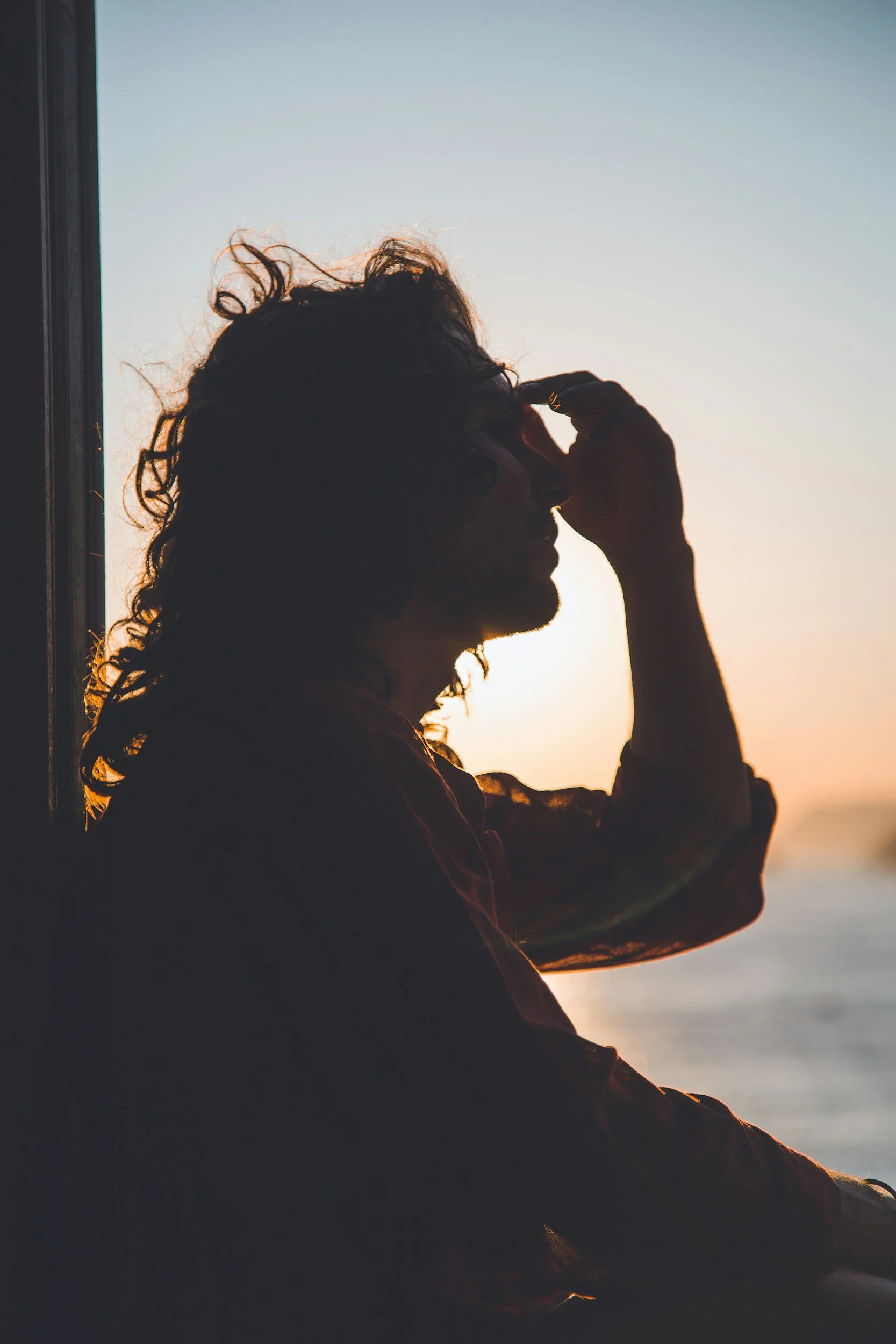
Therapy for Women can improve management of anxiety symptoms
For women living in North Riverside and the surrounding Chicagoland area, understanding the complex relationship between hormones and anxiety can be a crucial step toward better mental health. If you've ever noticed that your anxiety seems to fluctuate with your menstrual cycle, or if you've experienced heightened worry during times of hormonal change, you're not alone. The connection between women's hormones and anxiety is both real and significant, affecting millions of women throughout their lives.
The Prevalence of Anxiety in Women
Anxiety disorders represent one of the most common mental health challenges facing women today. Research shows that approximately one-third of women will experience some form of anxiety disorder during their lifetime. This remarkable prevalence highlights why specialized mental health support is so critical for women navigating these challenges.
What makes women's experience with anxiety particularly unique is how it differs from men's experiences. Women typically face an earlier onset of anxiety symptoms and have a significantly higher likelihood of developing multiple concurrent mental health disorders. These co-occurring conditions can create a compounding effect, making anxiety symptoms more severe and complex to manage. Specialized support that recognizes these interconnected challenges can make a meaningful difference in how women experience and manage their symptoms.
When it comes to anxiety disorders, sex plays a significant role. Research compiled by the Anxiety and Depression Association of America shows that women are approximately twice as likely as men to receive a diagnosis — a gap that takes root in adolescence and never fully closes. This gender disparity isn't coincidental — it directly correlates with the years of active hormonal fluctuations that define much of women's reproductive lives. During these crucial decades, having the right support in place can help women navigate the emotional and psychological challenges that accompany hormonal changes.
The Hormonal Foundation of Women's Anxiety
While multiple factors contribute to anxiety development, hormones play a particularly significant role in women's mental health. Although women and men share the same basic hormone types, women experience much more dramatic fluctuations and different patterns of hormone production throughout their lives. These variations create unique vulnerabilities that are important to understand when seeking mental health support.
The cyclical nature of women's hormonal patterns means that anxiety symptoms can be predictable yet challenging to manage without proper support. Working with a therapist who understands these patterns can help women develop coping strategies tailored to their specific hormonal rhythms.
Critical Periods of Hormonal Change
Throughout a woman's life, several key periods bring significant hormonal fluctuations that can trigger or exacerbate anxiety symptoms. Understanding these periods is essential for women seeking to address hormone-related mental health concerns.
Menstrual Cycle Fluctuations
The monthly menstrual cycle represents the most regular pattern of hormonal change in women's lives. During this cycle, women may experience premenstrual syndrome (PMS), which often includes mood changes, irritability, and increased anxiety. These symptoms typically occur in the luteal phase of the cycle, when estrogen and progesterone levels begin to decline.
For many women, the week or two before menstruation brings noticeable changes in mood and anxiety levels. Tracking these patterns with professional support can help women develop specific strategies for managing premenstrual anxiety.
Pregnancy and Postpartum Changes
Pregnancy brings some of the most dramatic hormonal changes a woman's body will ever experience. While some women feel emotionally stable during pregnancy, others experience significant anxiety, particularly about the health of their baby, the birth process, or their ability to parent effectively.
The postpartum period presents its own unique challenges. After birth, hormone levels drop rapidly, which can contribute to postpartum anxiety and depression. Professional support during this period often focuses on helping new mothers adjust to these hormonal changes while managing the stress of caring for a newborn.
Perimenopause and Menopause
As women approach menopause, typically in their 40s and 50s, they enter perimenopause — a transitional period that can last several years. During this time, estrogen and progesterone levels fluctuate unpredictably before eventually declining to postmenopausal levels.
Many women experience increased anxiety during perimenopause, often describing feelings of being "on edge" or experiencing panic attacks for the first time. Counseling for women during this life stage helps women understand these changes and develop strategies for managing anxiety while navigating this natural transition.
Postmenopausal Adjustments
Even after menopause is complete, women may continue to experience anxiety related to their new hormonal baseline. The adjustment to lower estrogen levels can affect mood regulation, sleep patterns, and overall emotional well-being. Therapy for women can be particularly helpful during this time for developing long-term strategies for maintaining mental health.
Fluctuating hormones can affect your mood from day to day.

Fluctuating hormones can affect your mood from day to day
The Key Hormonal Players in Women's Anxiety
Understanding which hormones most significantly impact anxiety can help women make informed decisions about their mental health care. A good therapist will often include education about these hormonal influences to help women better understand their experiences.
Estrogen: The Mood Stabilizer
Estrogen plays a crucial role in mood regulation and cognitive function. While both men and women produce estrogen, women produce significantly higher amounts, making them more sensitive to estrogen fluctuations. When estrogen levels drop — such as during the premenstrual period, postpartum, or menopause — many women experience increased anxiety, mood swings, and cognitive changes.
Estrogen affects the brain's production of serotonin, a neurotransmitter that helps regulate mood and anxiety. Lower estrogen levels can lead to decreased serotonin production, which may contribute to increased anxiety symptoms. Understanding this connection is an important part of addressing hormone-related anxiety effectively.
Progesterone: The Natural Calming Agent
Progesterone has natural anxiety-reducing properties, acting on GABA receptors in the brain similarly to how some anti-anxiety medications work. It helps prepare the body for pregnancy each month and supports overall mood stability. When progesterone levels drop, women often experience increased anxiety, irritability, and sleep disturbances.
The calming effects of progesterone help explain why many women feel more relaxed during the second half of their menstrual cycle, when progesterone levels are at their peak. A good treatment approach often includes strategies for supporting hormonal balance through lifestyle modifications and stress management.
Testosterone: The Confidence Hormone
While often thought of as a male hormone, testosterone plays an important role in women's mental health. It contributes to confidence, assertiveness, and overall mood stability. When testosterone levels become too low, women may experience increased worry, panic, and feelings of vulnerability.
Low testosterone can also affect energy levels and motivation, which can indirectly contribute to anxiety by making daily tasks feel more overwhelming. Addressing these interconnected effects comprehensively is key to managing hormone-related anxiety effectively.
Oxytocin: The Connection Hormone
Oxytocin, often called the "bonding hormone," plays a crucial role in social connection and emotional regulation. Lower oxytocin levels can lead to feelings of detachment, both emotionally and physically, along with increased irritability and sleep disturbances. These symptoms can fuel existing anxiety or trigger new anxiety episodes.
Cortisol and Adrenaline: The Stress Response Team
Cortisol and adrenaline are produced in the adrenal glands when the body perceives a threat. While these hormones are essential for survival, chronic elevation can lead to persistent anxiety symptoms.
The modern lifestyle often keeps cortisol and adrenaline levels elevated due to ongoing stressors, creating a cycle where the body remains in a constant state of alertness. This can be particularly challenging for women, whose hormonal fluctuations can make them more sensitive to stress hormones. Working with a therapist on targeted stress management techniques can help regulate these hormone levels over time.
The Complex Relationship Between Hormones and Anxiety
The relationship between hormones and anxiety in women is multifaceted and interconnected. During the menstrual cycle, the natural drop in estrogen and progesterone toward the end of the cycle can trigger anxiety symptoms in sensitive women. Similarly, the hormonal changes during perimenopause and menopause can create new anxiety challenges or worsen existing ones.
When testosterone levels drop too low, women may experience increased panic and worry, which can compound existing anxiety disorders. Low oxytocin levels can create feelings of disconnection and irritability, further contributing to anxiety symptoms. Understanding these complex interactions is the first step toward developing personalized strategies for managing symptoms effectively.
The stress hormone cycle presents particular challenges for women with anxiety. Chronic stress leads to elevated cortisol and adrenaline, which can suppress testosterone production and create a cycle where anxiety feeds on itself. Higher stress hormones can also disrupt sleep patterns, affect appetite, and interfere with the body's natural hormone production — creating a complex web of interconnected symptoms that benefit from a comprehensive treatment approach.
Practical Strategies for Managing Hormone-Related Anxiety
While hormonal fluctuations are largely beyond our direct control, there are numerous strategies women can employ to better manage anxiety during times of hormonal change. These approaches work best when combined with professional support through therapy for women.
Lifestyle Modifications
Quality sleep forms the foundation of hormonal balance and anxiety management. Establishing consistent sleep routines, creating a calming bedtime environment, and addressing sleep disruptions can significantly impact both hormone levels and anxiety symptoms. Working with a therapist often includes detailed sleep hygiene education and personalized strategies for improving sleep quality.
Regular exercise provides multiple benefits for hormone-related anxiety. Physical activity helps regulate stress hormones, supports healthy testosterone levels, and promotes the release of mood-boosting endorphins. For women in North Riverside, finding enjoyable forms of exercise — whether it's walking along the paths in the Cook County forest preserve, joining fitness classes, or practicing yoga — can provide both physical and mental health benefits.
Nutrition plays a crucial role in hormone production and regulation. Eating a balanced diet rich in whole foods, healthy fats, and adequate protein supports optimal hormone function. Limiting caffeine and alcohol, particularly during times of hormonal fluctuation, can help reduce anxiety symptoms. Nutritional guidance tailored to support both mental health and hormonal balance is often part of a well-rounded treatment plan.
Stress Management Techniques
Learning effective stress management techniques is essential for women dealing with hormone-related anxiety. Deep breathing exercises, progressive muscle relaxation, and mindfulness meditation can help regulate the stress response and reduce cortisol levels. Professional support provides structured approaches to learning and implementing these techniques.
Cognitive-behavioral strategies help women identify and challenge anxiety-provoking thoughts, particularly those related to hormonal changes. Understanding that some anxiety symptoms are temporary and related to hormonal fluctuations can provide relief and help women develop more effective coping strategies.
Building Support Networks
Social support plays a crucial role in managing hormone-related anxiety. Connecting with other women who understand the challenges of hormonal fluctuations can provide validation and practical strategies. Counseling for women in a group setting offers structured environments for building these connections while learning from professional guidance.
For women in Illinois, local support groups, community centers, and women's organizations can provide additional resources and connections. Building a strong support network that includes both professional help and peer support creates a comprehensive approach to managing anxiety.
When to Seek Professional Help
While lifestyle modifications and self-care strategies can be highly effective, some women may need additional support to manage hormone-related anxiety. Therapy for women becomes particularly important when anxiety symptoms significantly interfere with daily life, relationships, or work performance.
Professional support can provide specialized approaches that address the unique aspects of female mental health. Therapists who specialize in women's issues understand the complex relationship between hormones and anxiety and can offer evidence-based treatments tailored to individual needs.
Treatment approaches may include cognitive-behavioral therapy, which helps women identify and change negative thought patterns; interpersonal therapy, which addresses relationship and social factors contributing to anxiety; or specialized approaches for dealing with life transitions and hormonal changes.
For women in Illinois seeking professional support, it's important to find therapists who understand the local community and can provide culturally sensitive care. Many therapists offer specialized services for women dealing with hormone-related anxiety, providing both individual and group therapy options.
Conclusion
Understanding the relationship between hormones and anxiety empowers women to take control of their mental health. While hormonal fluctuations are a natural part of life, the anxiety that can accompany these changes doesn't have to be overwhelming or unmanageable.
Through a combination of lifestyle modifications, stress management techniques, and professional support when needed, women can successfully navigate the challenges of hormone-related anxiety. Counseling for women can provide valuable resources for developing personalized strategies that address both the physical and emotional aspects of these challenges.
For women in North Riverside and surrounding areas, remember that seeking help for hormone-related anxiety is a sign of strength, not weakness. With the right support and strategies, it's possible to maintain optimal mental health throughout all stages of life's hormonal changes.
If you're experiencing persistent anxiety that seems related to your hormonal cycles, consider reaching out to a therapist who specializes in therapy for women. Taking this step can be the beginning of a journey toward better understanding your body, managing your symptoms, and reclaiming your sense of well-being.